
Last updated: April 30, 2026
This article provides comparative measurements of 169, 433, 868 and 2400 MHz bands available for short-range devices in the Czech Republic. The 433, 868 and 2400 MHz bands are measured using the LoRaWAN protocol, while the 169 MHz band is operated as a sole LoRa link in a Point-to-Point (P2P) topology, as it is not supported within The Things Network. The article explores how the operating frequency influences range, signal penetration and overall reliability of communication in real-world environments.
The article is based on a bachelor’s thesis on the topic of Verification of the Communication Capabilities of the LoRaWAN Technology Operating at Different Frequency Bands.
End nodes
For each tested band, a dedicated end device with an integrated LoRa transceiver was used. Setups for the end-devices were used from these articles: LoRaWAN Node at 433 MHz Band, 868 MHz Adafruit Feather 32u4, 2,4 GHz LoRaWAN Setup.
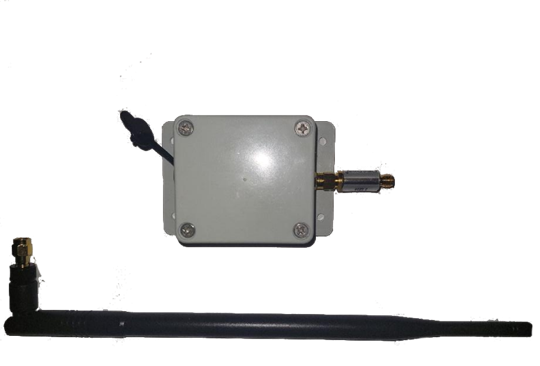
- 169 MHz: ESP32 microcontroller with a single-chip LoRa module, operating in Point-to-Point mode (no LoRaWAN stack, no TTN).
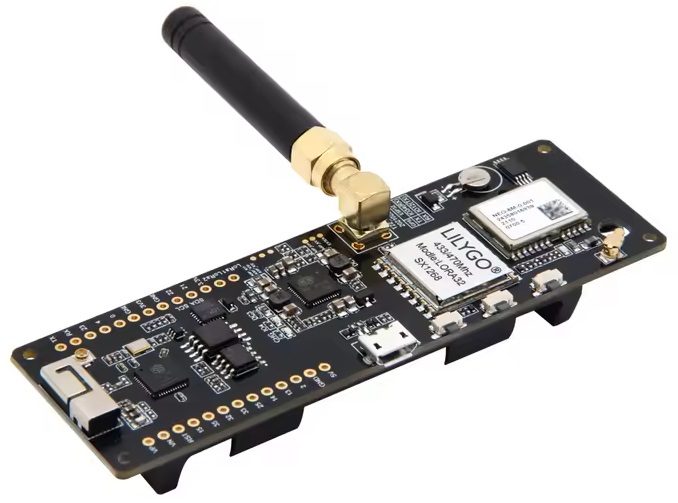
- 433 MHz: LilyGO T-Beam v1.2 with Semtech SX1278 transceiver.
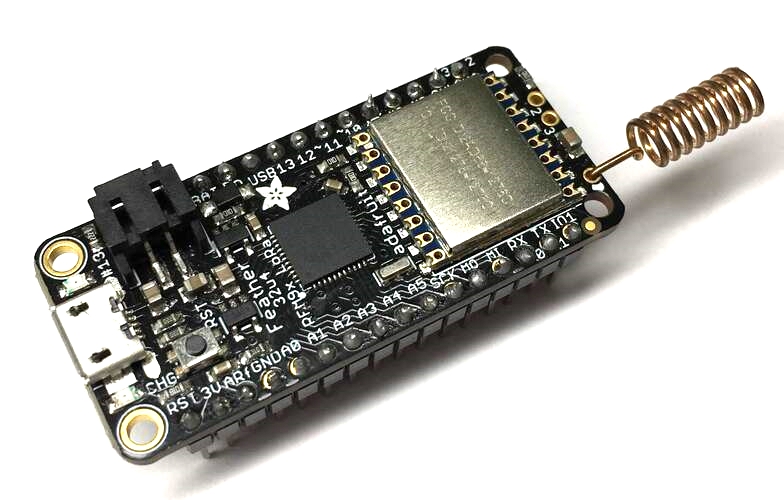
- 868 MHz: Adafruit Feather 32u4 LoRa with RFM95W module (Semtech SX1276).
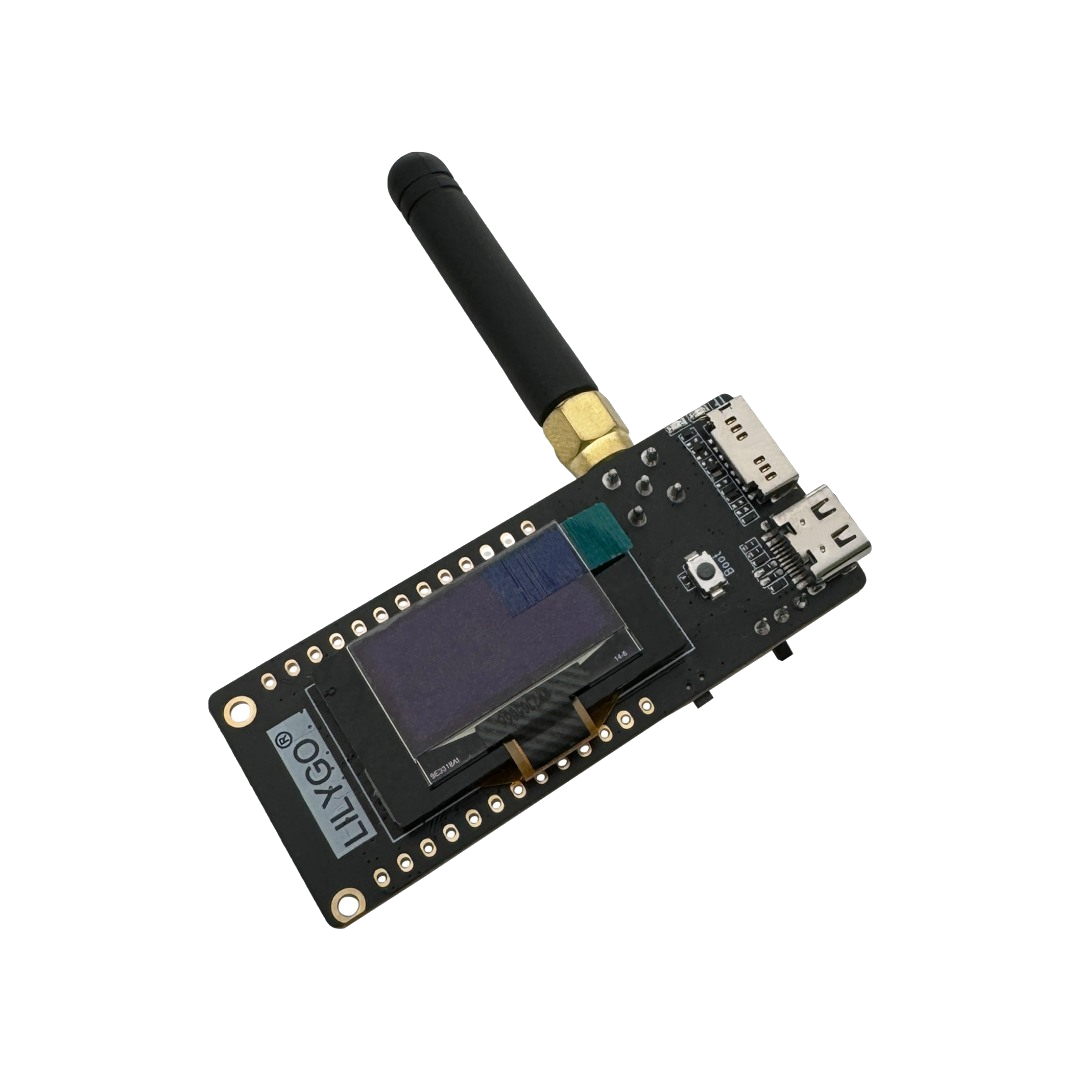
- 2400 MHz: LilyGO T3 S3 (ESP32-S3) with Semtech SX1280 transceiver.
Gateways
The gateway antennas are mounted on the roof of Building B of the VŠB-TUO student dormitories in Ostrava-Poruba, approximately 40 m above ground level. The parameters of the gateways are described in the articles 433 MHz RAK5146L SPI – LoRa Basics Station, 868 MHz iC880a – LoRa Basics Station, LoRaWAN @ 169 MHz, 2,4 GHz LoRaWAN Setup.
.
- GPS: 49.8365147N, 18.1594753E, 280 m
- Address: Ostrava, Studentská 1770/1
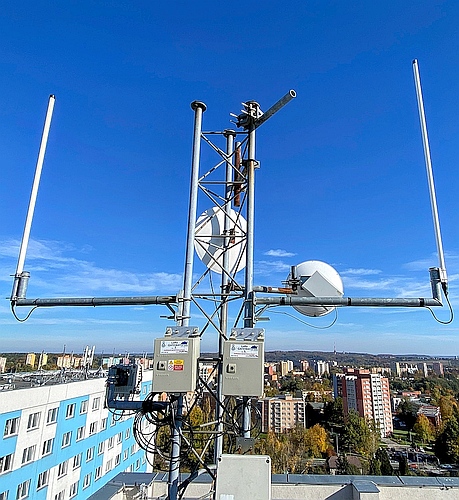
For the 433, 868 and 2400 MHz bands, the gateways forward data via UDP Packet Forwarder to The Things Stack (TTN V3, cluster eu1.cloud.thethings.network).
Network parameters
Four transmission chains were measured. The 433, 868 and 2400 MHz chains use the LoRaWAN protocol with their respective regional plans (EU433, EU868, ISM2400). The 169 MHz chain runs as a sole LoRa P2P link.
More information on the individual band parameters can be found here: 169 MHz SX1276/77/78/79 137 MHz – 1020 MHz Low Power Long Range Transceiver, 433, 868 MHz LoRaWAN regional parameters; 2,4 GHz Physical Layer Proposal 2.4GHz
- 169 MHz (169.400–169.8125 MHz): max ERP up to +27 dBm in selected sub-bands, narrow channels (12.5 / 25 / 50 kHz), Duty Cycle 0.1 % to 10 % depending on sub-band, or Listen Before Talk (LBT), but the LoRaWAN specification specifies duty cycles. And in most regions, the duty cycle for these frequencies is set to 1 %.
- EU433 (433.05–434.79 MHz): max ERP +10 dBm, Duty Cycle < 1 % per LoRaWAN spec, channel bandwidth 125 kHz.
- EU868 (863–870 MHz): max ERP +14 dBm, Duty Cycle < 1 %, channel bandwidth 125 kHz (250 kHz only for uplink).
- ISM2400 (2400–2483.5 MHz): max EIRP +20 dBm, no Duty Cycle limit under the SRD authorization, channel bandwidth 812 kHz.
| 169 MHz | 433 MHz | 868 MHz | 2400 MHz | |
|---|---|---|---|---|
| Frequency range | 169.400–169.8125 MHz | 433.05–434.79 MHz | 863–870 MHz | 2400–2483.5 MHz |
| Maximum ERP / EIRP | +27 dBm (ERP) | +10 dBm (ERP) | +14 dBm (ERP) | +20 dBm (EIRP) |
| Duty Cycle | < 1 % | < 1 % | < 1 % | — |
| Channel bandwidth | 12.5 / 25 / 50 kHz | 125 kHz | 125 kHz | 812 kHz |
| LoRaWAN supported | No (LoRa P2P only) | Yes (EU433) | Yes (EU868) | Yes (ISM2400) |
All measurements are taken from the uplink direction (end node → gateway), as this is the primary direction of LoRaWAN communication.
RSSI and SNR
RSSI and SNR are used as the main metrics for evaluating the quality of the received signal.
- RSSI (Received Signal Strength Indicator): Measured in dBm, indicates the received power level.
- SNR (Signal-to-Noise Ratio): Measured in dB, expresses how strong the useful signal is compared to noise. Thanks to the CSS modulation, LoRa is able to demodulate signals even below the noise floor (negative SNR).
LoRa demodulation thresholds (BW = 125 kHz):
| Spreading Factor | Minimum SNR | Theoretical RSSI sensitivity |
|---|---|---|
| SF7 | −7.5 dB | −123 dBm |
| SF8 | −10.0 dB | −126 dBm |
| SF9 | −12.5 dB | −129 dBm |
| SF10 | −15.0 dB | −132 dBm |
| SF11 | −17.5 dB | −134.5 dBm |
| SF12 | −20.0 dB | −137 dBm |
Measurement scenarios
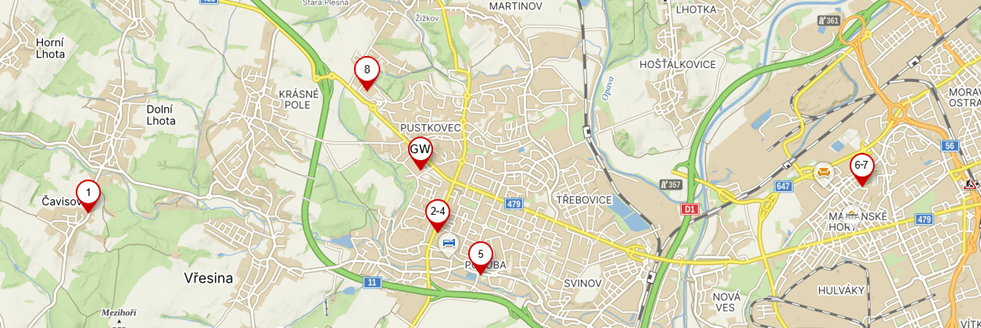
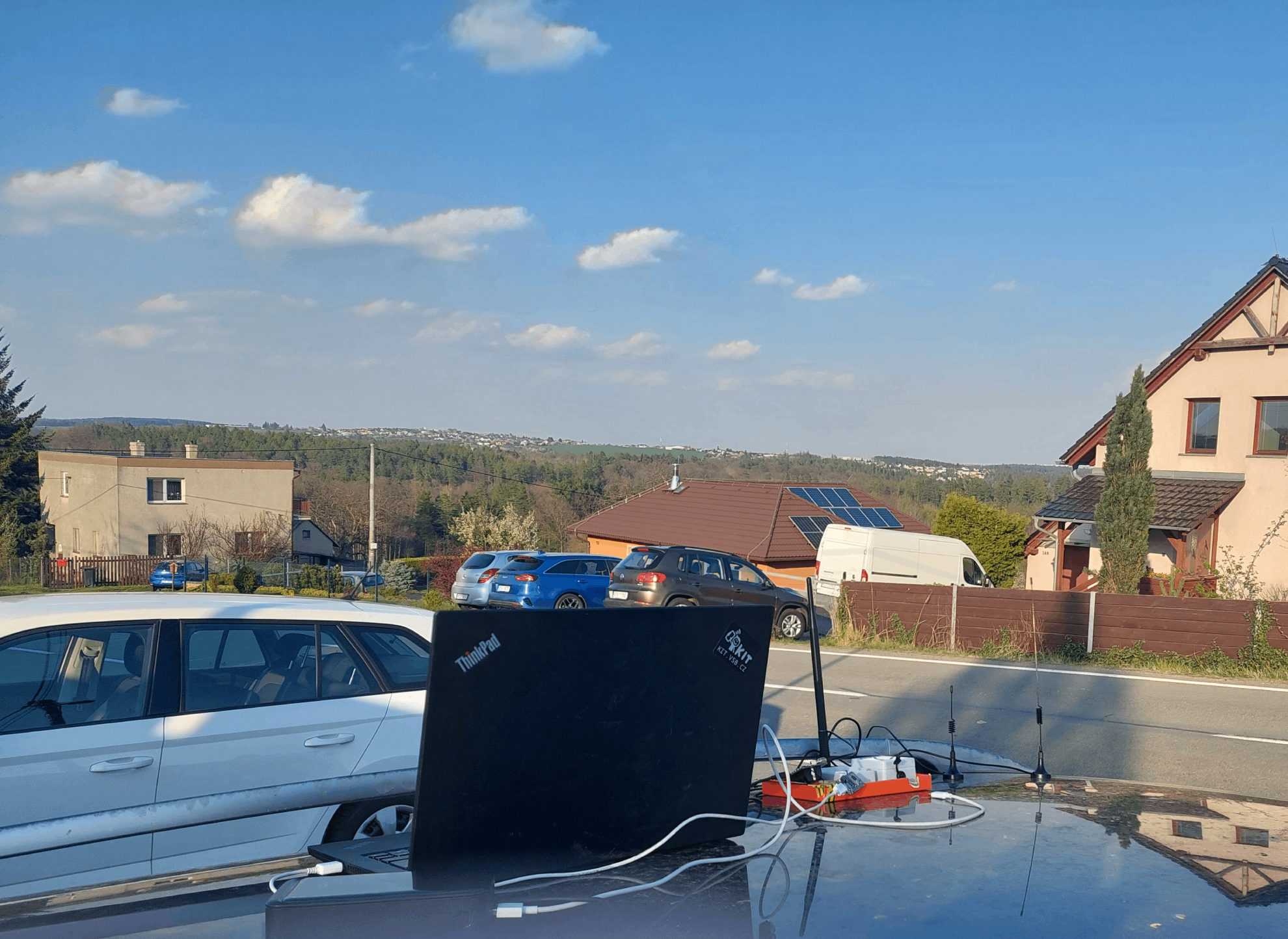
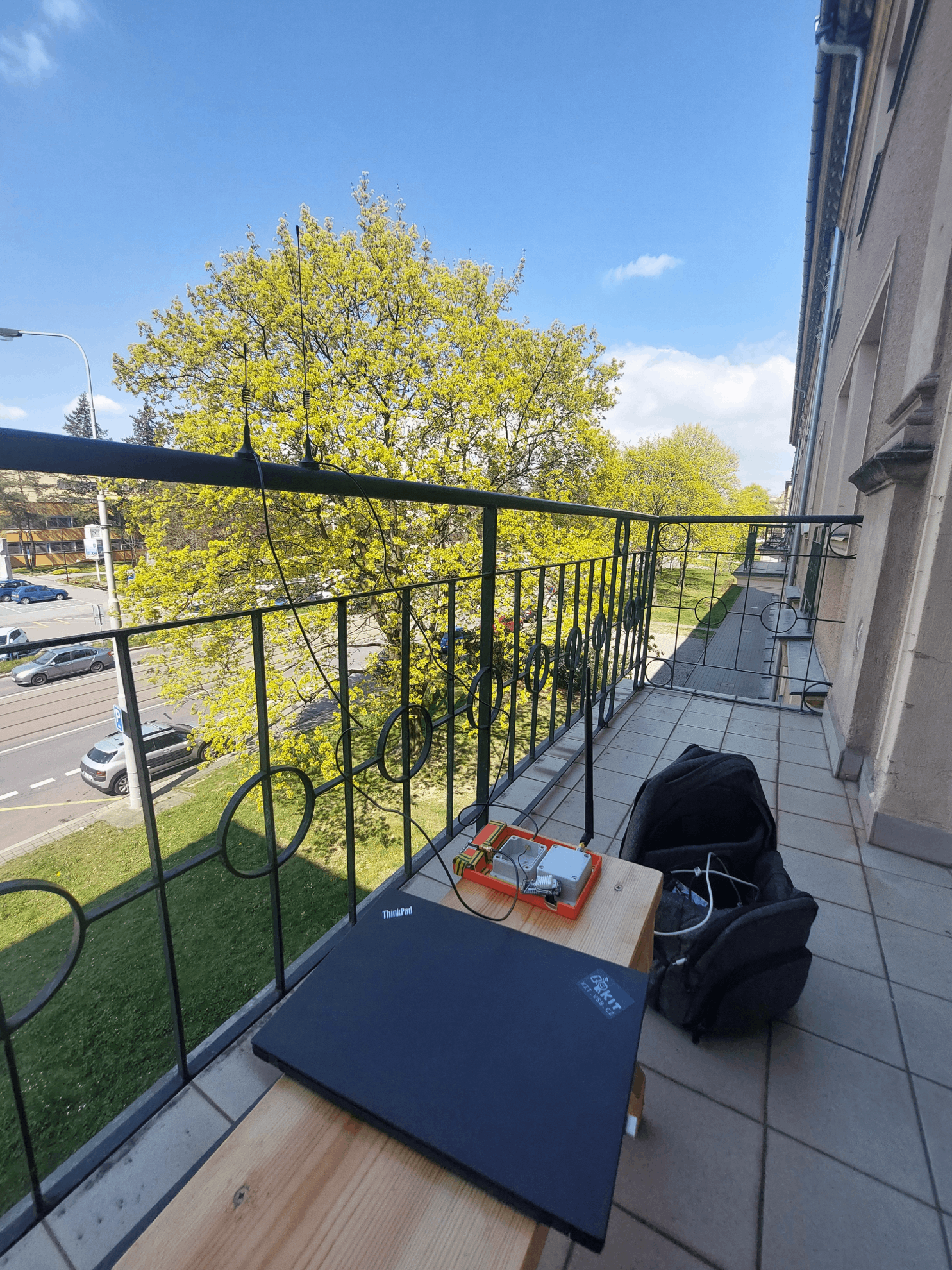
Eight scenarios were designed to cover a broad range of propagation conditions — from line-of-sight in the countryside, through dense urban areas, to indoor signal penetration.
| Scenario | Distance from gateway | GPS coordinates |
|---|---|---|
| 1. Countryside (Line of Sight) | 5.3 km | 49.8303747N, 18.0863556E |
| 2. Near Side, 2nd floor | 1 km | 49.8275822N, 18.1624956E |
| 3. Indoor — near side to gateway | 1 km | 49.8275719N, 18.1628281E |
| 4. Indoor — far side from gateway | 1 km | 49.8274472N, 18.1626886E |
| 5. Dense urban area | 1.8 km | 49.8215847N, 18.1725322E |
| 6. Near Side, 6th floor | 6.9 km | 49.8340600N, 18.2561581E |
| 7. Exterior — near side to gateway | 6.9 km | 49.8340064N, 18.2558578E |
| 8. Parking lot | 1.6 km | 49.8478497N, 18.1455867E |
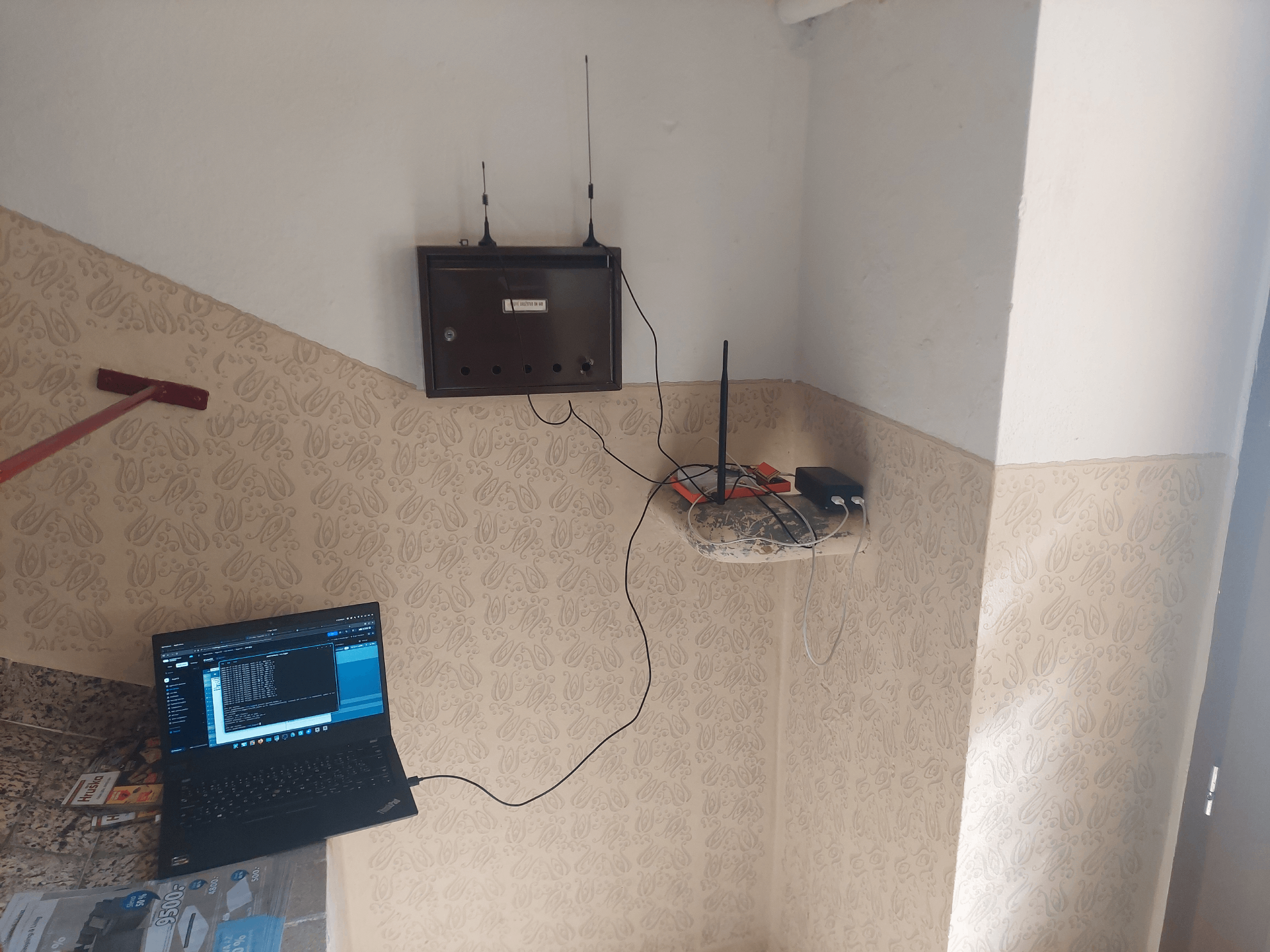
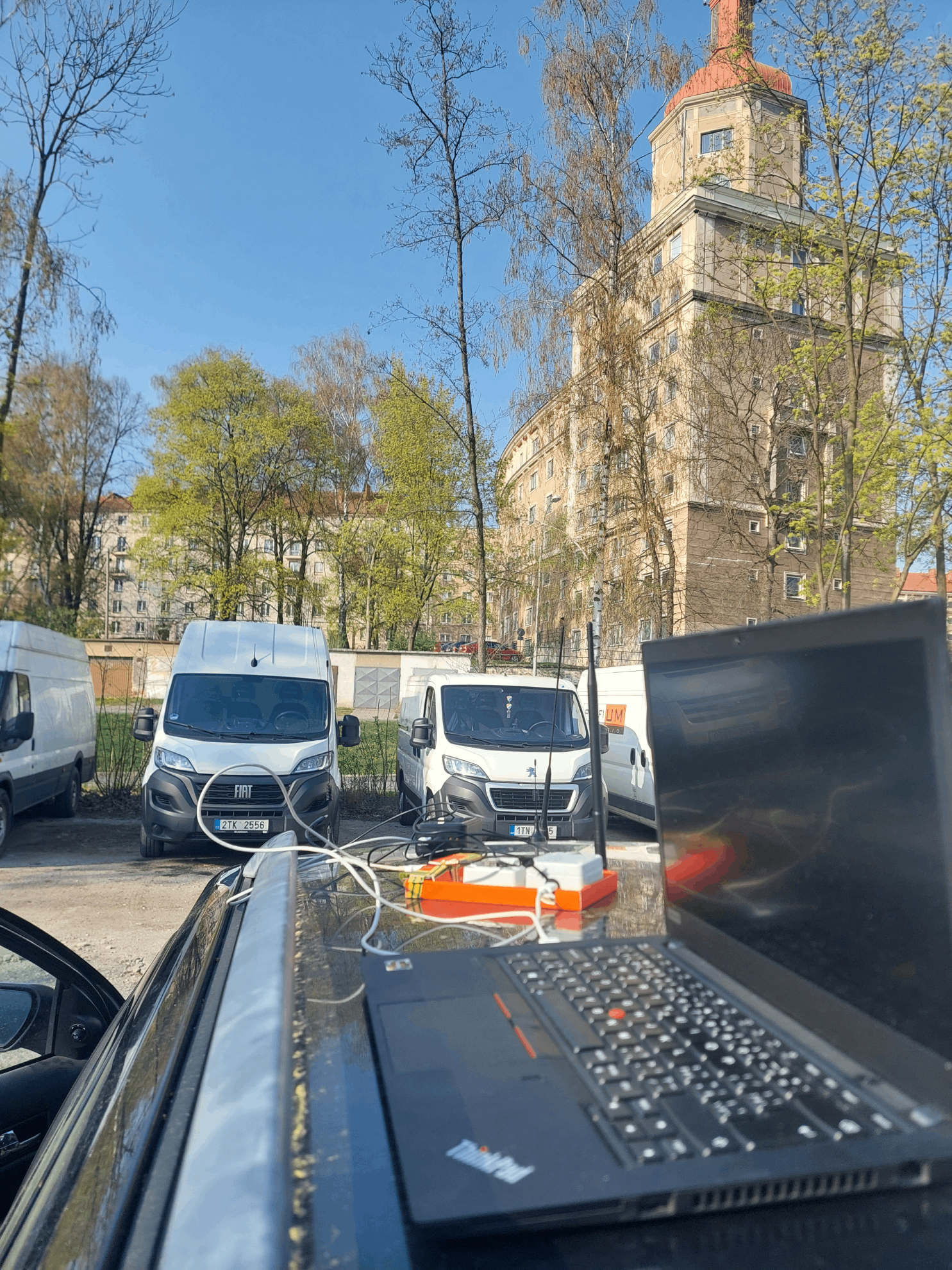
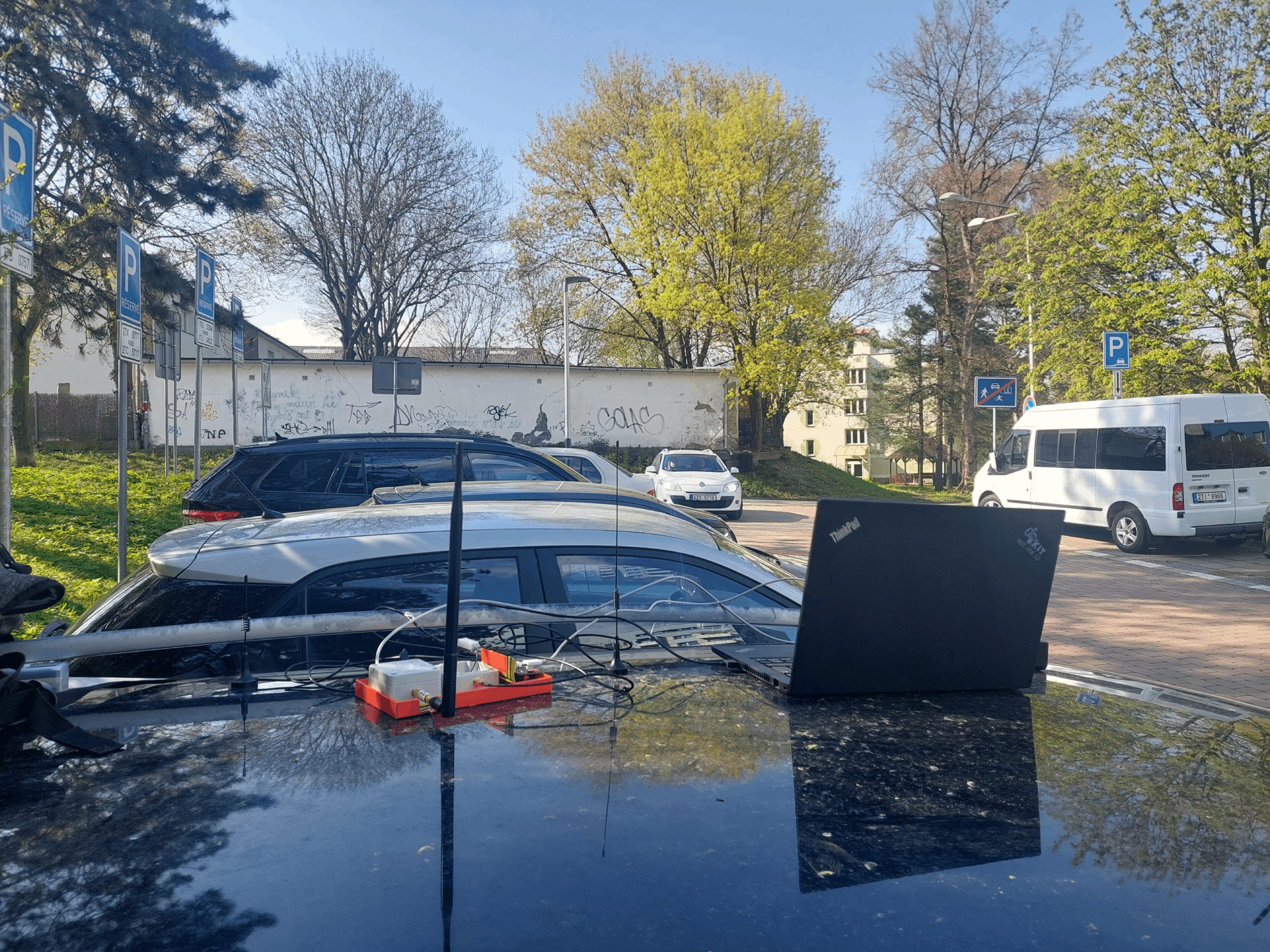
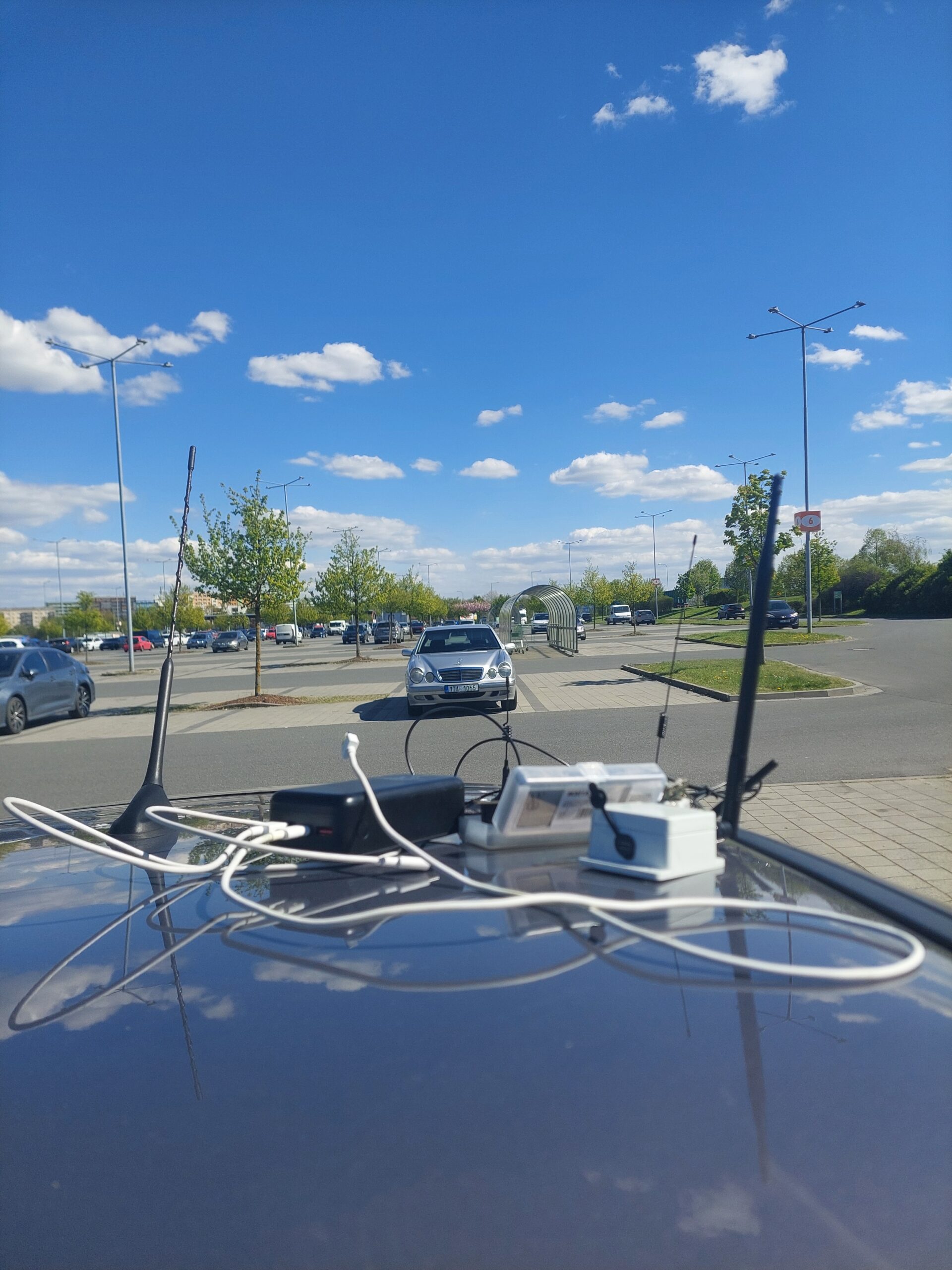
Results of measurement
- Each scenario was measured for about 15 minutes.
- During the measurements, data collection scripts (MQTT & Python) were used to collect the data in a CSV format.
- The data was then categorized based on recorded timestamps into individual scenarios.
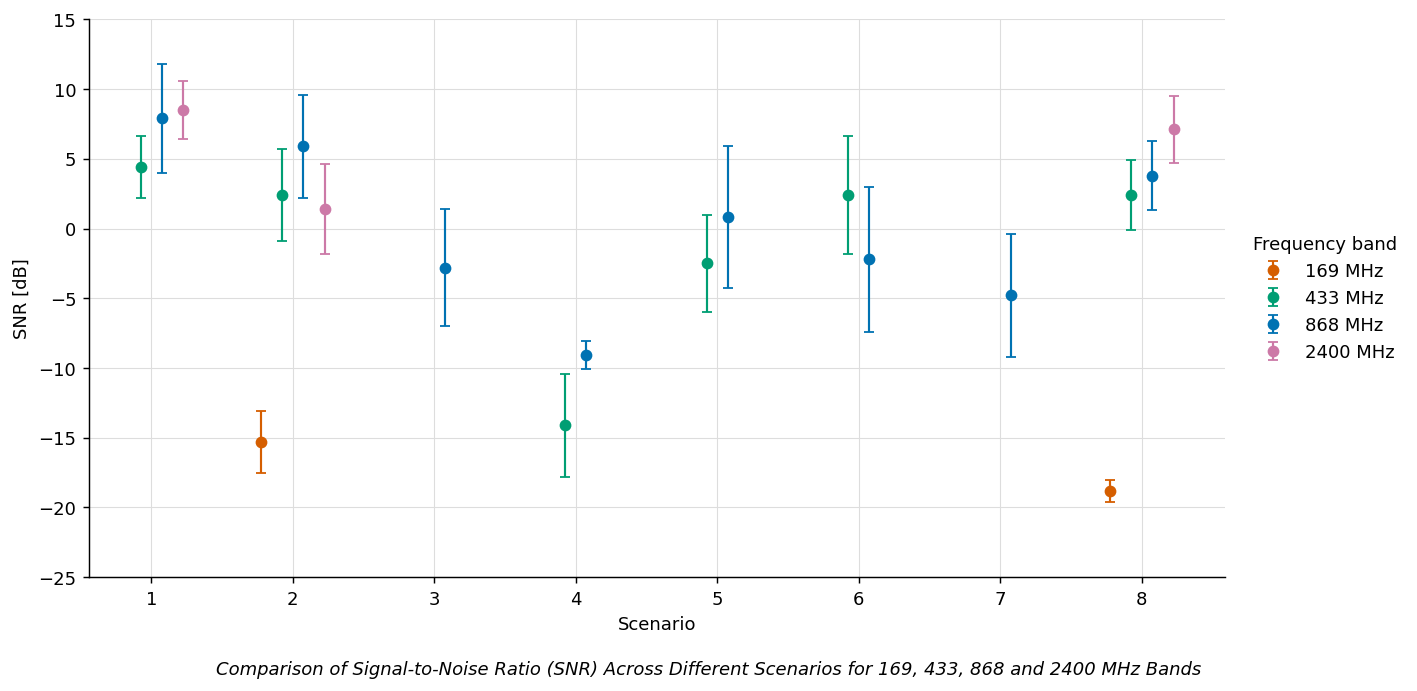
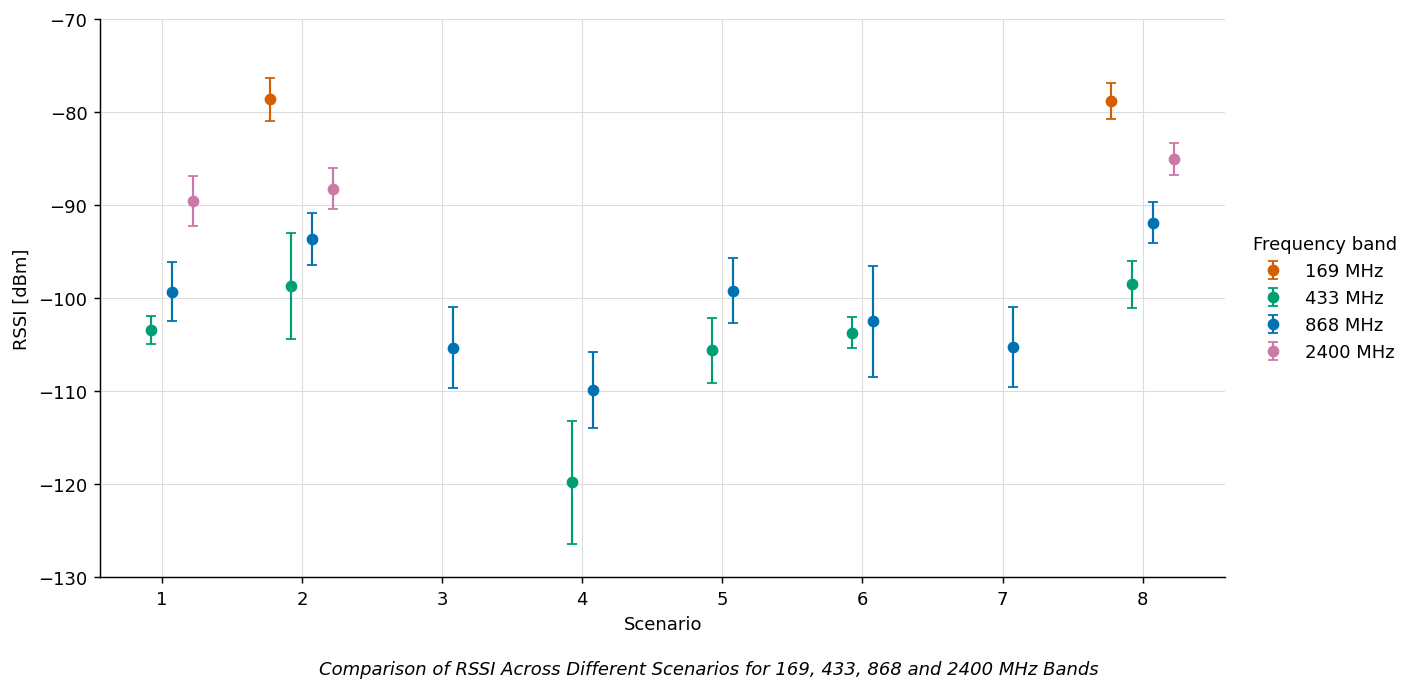
| Scenario | Distance | 169 MHz RSSI [dBm] / SNR [dB] |
433 MHz RSSI [dBm] / SNR [dB] |
868 MHz RSSI [dBm] / SNR [dB] |
2400 MHz RSSI [dBm] / SNR [dB] |
|---|---|---|---|---|---|
| 1. Countryside | 5.3 km | — / — | −103.4 / +4.2 | −99.3 / +7.9 | −89.5 / +8.5 |
| 2. Near Side, 2nd floor | 1 km | −78.6 / −15.1 | −98.5 / +2.3 | −93.4 / +5.6 | −88.2 / +1.4 |
| 3. Indoor — near side | 1 km | — / — | — / — | −105.8 / −3.4 | — / — |
| 4. Indoor — far side | 1 km | — / — | −119.8 / −14.1 | −109.9 / −9.1 | — / — |
| 5. Dense urban | 1.8 km | — / — | −105.6 / −2.5 | −99.2 / +0.8 | — / — |
| 6. Near Side, 6th floor | 6.9 km | — / — | −103.7 / +2.4 | −102.5 / −2.2 | — / — |
| 7. Exterior — near side | 6.9 km | — / — | — / — | −105.0 / −4.6 | — / — |
| 8. Parking lot | 1.6 km | −78.8 / −18.8 | −98.7 / +2.4 | −91.9 / +3.8 | −85.0 / +7.1 |
Key observations
- 169 MHz theoretically provides the best obstacle penetration, but in practice it suffered from severe instability. Even when RSSI was strong (around −78 dBm), the SNR dropped to critical values (around −19 dB), often making demodulation unreliable. This is partly explained by the very large Fresnel zone (wavelength ~ 1.77 m), strong ground reflections, multipath fading, and reduced efficiency of the shortened end-node antennas.
- 433 MHz proved to be a very efficient compromise. It successfully delivered packets in countryside scenarios up to 6.9 km from an elevated position, in dense urban areas, and partially even into indoor environments. It is a strong choice when long range needs to be combined with reasonable antenna size.
- 868 MHz confirmed its role as the most universal choice for IoT deployments in Europe. It produced the most consistent results across the widest range of scenarios, including indoor penetration and the most challenging long-distance ground-level link in scenario 7, where all other bands failed.
- 2400 MHz exceeded expectations under line-of-sight conditions. Despite simulations predicting very limited coverage, the band reliably reached even 5.3 km in the countryside scenario and showed the highest received signal levels at the parking lot. However, it failed in all dense-urban and indoor scenarios — confirming high attenuation by obstacles and significant interference from Wi-Fi and Bluetooth networks sharing the same band.
Conclusion
- There is no single universally best band — the choice always depends on the deployment requirements (range, environment, antenna size, regulatory limits).
- For most European IoT applications, 868 MHz remains the most universal and reliable choice, mainly thanks to its mature ecosystem and balanced propagation properties.
- 433 MHz is a strong alternative for scenarios requiring longer range or better penetration, accepting larger antenna sizes.
- 169 MHz is suitable only for specific deployments with low building density and where the very long wavelength can be properly handled.
- 2400 MHz is best for short-to-medium range links with good line of sight and limited co-channel interference.